

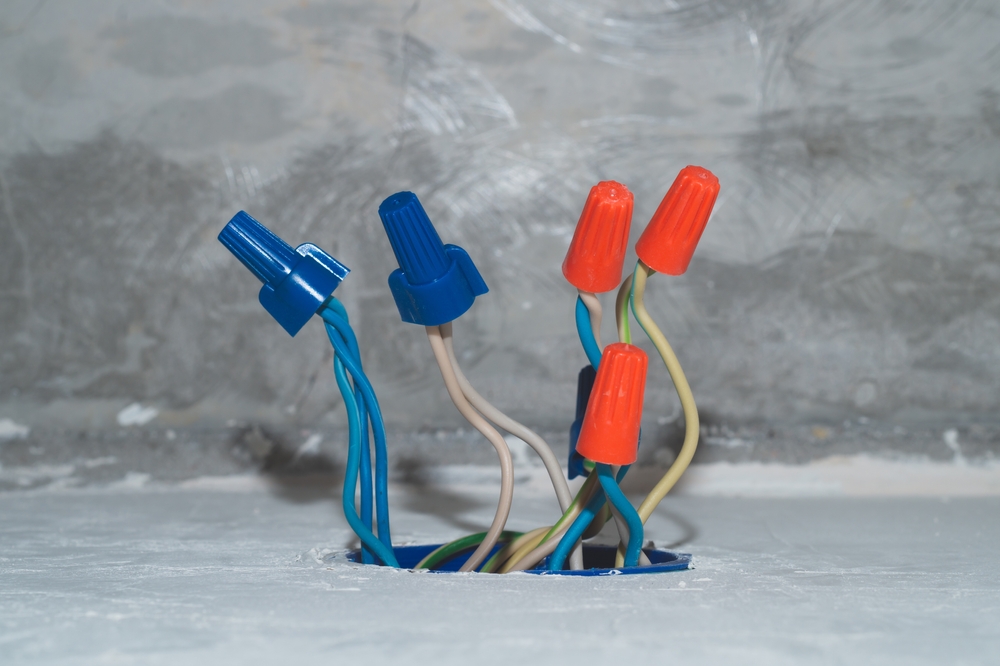
Renovating a commercial property is an opportunity to improve more than the appearance of your building. Whether you are updating an office, retail space, restaurant, warehouse, or medical facility in Raleigh, your electrical system should be evaluated as part of the project from the very beginning. Overlooking electrical upgrades can lead to costly delays, failed inspections, and limitations that affect your business long after construction is complete.
Quick Answer
Electrical upgrades should be included in your commercial renovation plan because they help ensure your building can safely support modern equipment, meet current electrical codes, improve energy efficiency, and reduce the likelihood of unexpected downtime. Planning these improvements before construction begins is typically more efficient and less disruptive than making changes after finishes are complete.
What Local Business Owners Should Know
-
Many commercial buildings throughout Raleigh and Wake County were designed for electrical demands that are much lower than today’s business needs.
-
Renovations often trigger electrical code updates, even if your original wiring has been functioning without obvious problems.
-
Coordinating electrical work before walls and ceilings are finished can help minimize labor costs and construction delays.
-
Businesses served by Duke Energy may require service upgrades or coordination when increasing electrical capacity.
-
Planning for future technology now can reduce the need for additional renovations later.
Why This Matters Locally
Electrical planning is especially important for commercial renovations in Raleigh because many businesses operate in a mix of older buildings and rapidly developing commercial districts.
Downtown Raleigh, North Hills, Cameron Village, Research Triangle Park, and surrounding business corridors include buildings from different decades with varying electrical capacities. While newer developments may already support modern electrical demands, older offices, retail centers, and industrial spaces often require upgrades to accommodate today’s equipment.
As commercial growth continues throughout Wake County and nearby communities such as Cary, Garner, Morrisville, and Apex, business owners are investing in renovations to remain competitive. Proper electrical planning helps those projects move more smoothly while supporting long-term operational needs.
Box Electric Company provides commercial electrical services throughout the area, helping businesses integrate electrical improvements into renovation projects from the planning stage through final installation. From that point forward, we focus on delivering solutions that support both current operations and future growth.
Local Data and Field Observations
Professional field experience shows that commercial renovations frequently uncover electrical systems that no longer match the building’s current use.
Common examples include:
-
Panels that have little remaining capacity.
-
Outdated branch circuits serving modern equipment.
-
Limited receptacle placement for changing office layouts.
-
Lighting systems that no longer meet efficiency goals.
-
Insufficient infrastructure for expanding technology.
While every property is different, these conditions are regularly discovered during renovation planning rather than after construction has begun, making early evaluation valuable.
Local Impact
Electrical upgrades directly affect business continuity, safety, and long-term operating costs.
Without adequate electrical capacity, renovated spaces may struggle to support additional computers, commercial kitchen equipment, HVAC improvements, security systems, or manufacturing equipment.
Unexpected electrical deficiencies discovered during construction can also delay occupancy, extend contractor schedules, and increase project costs. Planning ahead allows renovation teams to coordinate electrical work with other trades before finishes are installed.
Warning Signs Your Commercial Property May Need Electrical Upgrades
Several indicators suggest your electrical system should be evaluated before beginning a renovation.
Common warning signs include:
-
Your building still uses its original electrical panel despite multiple renovations.
-
Breakers trip when equipment is added or operated simultaneously.
-
You plan to install larger HVAC equipment or commercial appliances.
-
Existing outlets and circuits no longer match your workspace layout.
-
Lighting is outdated or inefficient.
-
You intend to add EV chargers, data infrastructure, or specialized equipment.
-
Previous renovations added temporary electrical solutions instead of permanent improvements.
When to Call a Professional
Commercial renovation planning should include a licensed electrician before construction documents are finalized.
Business owners can identify future electrical needs by considering:
-
New equipment
-
Additional employees
-
Technology upgrades
-
Workspace expansion
-
Energy efficiency goals
A professional evaluation can determine whether existing service capacity is sufficient, identify code-related concerns, and coordinate recommendations with architects, contractors, and permitting requirements.
Common Local Causes of Electrical Upgrades During Renovations
Several factors commonly drive electrical improvements during commercial renovation projects.
1. Older Building Infrastructure
Many commercial properties throughout Raleigh were built before today’s electrical demands existed.
2. Increased Technology
Modern offices rely on significantly more computers, networking equipment, charging stations, and communication systems than older electrical designs anticipated.
3. Energy Efficiency Improvements
Lighting upgrades, occupancy sensors, automation systems, and efficient HVAC equipment often require electrical modifications.
4. Business Expansion
Growing companies frequently add workstations, machinery, or specialized equipment that exceeds the building’s original electrical capacity.
5. Code Compliance
Renovations often require portions of the electrical system to meet current National Electrical Code requirements as adopted by North Carolina.
Prevention and Maintenance
Planning electrical improvements early is one of the best ways to prevent renovation delays.
Helpful steps include:
-
Schedule an electrical assessment before construction begins.
-
Review anticipated equipment loads with your electrician.
-
Plan for future expansion instead of only current needs.
-
Replace aging panels if capacity is limited.
-
Upgrade lighting while ceilings are already open.
-
Coordinate electrical work with HVAC, plumbing, and general contractors.
DIY electrical work is not appropriate for commercial systems. Electrical modifications should always be completed by qualified professionals familiar with commercial code requirements.
Expected Results
A properly planned electrical upgrade helps create a safer, more functional commercial space that supports long-term business operations.
Depending on the renovation scope, improvements may provide:
-
Increased electrical capacity
-
Better equipment reliability
-
Improved lighting performance
-
Reduced energy consumption
-
Better support for future expansion
-
Fewer disruptions caused by overloaded circuits
Actual results vary based on building condition and project goals.
Common Mistakes
Mistake: Waiting until construction begins to evaluate the electrical system.
Consequence: Walls may need to be reopened, increasing costs and delaying the project.
Better Approach: Include an electrical assessment during early design and budgeting.
Mistake: Assuming the existing panel has enough capacity.
Consequence: New equipment may overload the system.
Better Approach: Have load calculations performed before purchasing equipment.
Mistake: Planning only for current electrical needs.
Consequence: Future growth may require another renovation.
Better Approach: Design electrical infrastructure with reasonable expansion in mind.
Common Local Scenario
A common commercial renovation scenario involves converting an older office space into a modern workplace with significantly higher electrical demands.
The project may include LED lighting, conference technology, additional workstations, upgraded HVAC equipment, security systems, and expanded networking. During planning, the electrical evaluation reveals the existing panel has limited available capacity. By addressing the issue before construction progresses, the renovation can proceed with fewer interruptions and avoid costly changes after finishes are installed.
Related Service Solutions
Commercial electrical services support successful renovation projects from planning through completion.
Depending on the building, solutions may include:
-
Electrical panel upgrades
-
Service upgrades
-
New branch circuits
-
Commercial lighting installation
-
LED lighting retrofits
-
Dedicated equipment circuits
-
Data and communication infrastructure support
-
Electrical inspections
-
Code compliance corrections
Comparing Your Options
| Option | Advantages | Considerations |
|---|---|---|
| Keep existing electrical system | Lower upfront cost | May limit future expansion and create renovation delays |
| Upgrade only required components | Addresses immediate needs | May require additional upgrades later |
| Complete electrical upgrade during renovation | Supports long-term growth and modern equipment | Higher initial investment but fewer future disruptions |
Service Areas
We provide commercial electrical services throughout Raleigh, Wake County, and surrounding communities including Cary, Apex, Garner, Morrisville, and nearby areas. Whether you are renovating a retail storefront, office, industrial facility, or commercial property, we help businesses plan electrical improvements that support their renovation goals.
The Cost of Ignoring Electrical Upgrades
Postponing electrical improvements can increase both project costs and operational risks.
Unexpected electrical problems discovered after construction begins may require demolition of newly completed finishes, delay inspections, postpone occupancy, and create additional labor expenses. Addressing electrical needs during the planning phase is generally more efficient than making corrections later.
Frequently Asked Questions
Should I upgrade my electrical panel during a commercial renovation in Raleigh?
Yes, an electrical panel upgrade may be appropriate if your existing equipment cannot safely support your planned electrical load. A professional assessment can determine whether additional capacity is needed based on your renovation plans.
Do commercial renovations in Wake County require electrical permits?
Many commercial electrical projects require permits and inspections. Permit requirements depend on the scope of work and applicable local regulations. Your electrical contractor can help determine what is required for your project.
Can I keep my existing wiring during a renovation?
Possibly, but only after it has been evaluated. Some existing wiring may remain suitable, while other portions may require replacement or modification to meet current project requirements.
Why should electrical planning happen before construction?
Early planning helps reduce delays and unexpected costs. Coordinating electrical work with the overall renovation schedule allows improvements to be completed before walls and ceilings are closed.
Are LED lighting upgrades worthwhile for Raleigh businesses?
Yes, many businesses choose LED lighting to improve efficiency and reduce maintenance. Modern lighting systems can also improve workspace visibility and provide better lighting control.
How do I know if my building has enough electrical capacity?
A professional load calculation provides the most reliable answer. Existing panel size alone does not always indicate whether your system can safely support additional equipment.
Can electrical upgrades support future business growth?
Yes, planning for future expansion is often one of the biggest advantages of upgrading during a renovation. Additional capacity can make future equipment installations much easier.
What types of commercial properties benefit from electrical upgrades?
Nearly every commercial property can benefit when renovations involve increased electrical demand. Offices, restaurants, retail stores, warehouses, healthcare facilities, and industrial buildings commonly require electrical improvements during remodeling projects.
Planning Your Renovation Starts With the Right Electrical Strategy
A successful commercial renovation involves much more than updated finishes and new layouts. Evaluating your electrical system early helps support safety, efficiency, code compliance, and long-term business operations. By integrating electrical planning into your renovation from the beginning, you can reduce unexpected challenges and create a space that is ready for today’s needs and tomorrow’s growth.
Build a Stronger Commercial Space From the Ground Up
Every successful renovation starts with careful planning. We can help you evaluate your existing electrical system, identify opportunities for improvement, and develop solutions that fit your renovation goals.