

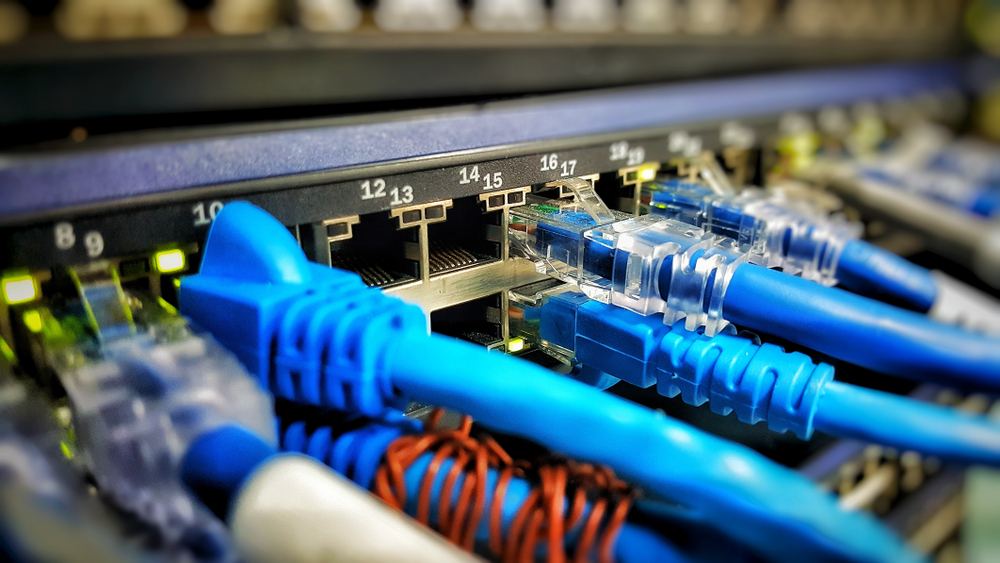
Reliable connectivity is part of the basic infrastructure behind offices, retail spaces, warehouses, medical facilities, and other commercial properties across Raleigh. As businesses add wireless access points, security equipment, VoIP phones, cloud-based systems, and connected devices, the cabling behind those technologies has to keep pace.
Quick answer: Data and telecom wiring gives Raleigh businesses the physical infrastructure needed to connect computers, phones, wireless access points, security systems, and other network equipment. A well-planned cabling system can make equipment easier to organize, troubleshoot, expand, and replace as business technology changes. Planning the wiring around the building layout and anticipated technology needs can also help prevent disruptive retrofits later.
What local businesses should know
- Structured cabling can provide an organized foundation for data, voice, wireless, security, and other low-voltage technology systems.
- Businesses occupying older buildings near Downtown Raleigh may need to account for existing pathways, electrical systems, and previous generations of cabling.
- New and expanding properties around North Hills and other growing parts of Wake County can benefit from planning telecom infrastructure before walls and ceilings are finished.
- Cable routes, equipment locations, labeling, and future capacity deserve attention along with the type of cable being installed.
- Commercial wiring should be planned with applicable building requirements, equipment specifications, and the property’s electrical infrastructure in mind.
Why Does Reliable Data and Telecom Wiring Matter for Raleigh Businesses?
Reliable data and telecom wiring matters for Raleigh businesses because everyday operations increasingly depend on stable connections between employees, devices, communications equipment, and network hardware. Poorly planned cabling can create unnecessary troubleshooting challenges and make future technology upgrades more disruptive than they need to be.
Raleigh’s commercial properties range from established buildings near Downtown and Five Points to newer offices and mixed-use developments around North Hills and other parts of Wake County. Those different building types can present very different wiring conditions.
An older commercial space may contain abandoned cables or limited pathways above ceilings and inside walls. A newer tenant build-out may offer an opportunity to design cable routes, network equipment locations, and future expansion capacity from the beginning.
At Box Electric Company, we understand that commercial technology infrastructure has to work with the rest of a building’s electrical systems. We can help businesses think through the physical infrastructure needed to support dependable operations without treating telecom wiring as an afterthought.
What Should Raleigh Businesses Consider When Planning Cabling?
Raleigh businesses should plan cabling around current equipment, building layout, network locations, and realistic future expansion rather than simply installing enough connections for today’s devices. Early planning can help create cleaner pathways and reduce the need to reopen finished spaces when technology requirements change.
Because no project-specific data was provided, the most useful guidance here comes from common commercial planning considerations rather than claimed local project statistics.
A business should identify where employees will work, where wireless access points may be located, where network equipment will be housed, and which areas may require cameras, phones, access-control equipment, displays, or other connected technology.
That planning is particularly useful during commercial renovations and tenant improvements, when walls or ceilings may already be accessible.
How Can Cabling Problems Affect Local Business Operations?
Cabling problems can affect local businesses by creating unreliable connections, difficult troubleshooting, limited equipment placement, and costly interruptions when infrastructure has to be modified. The effects can extend beyond internet access because modern commercial networks often support phones, wireless connectivity, security equipment, and other essential systems.
For a professional office near Downtown Raleigh, an unreliable connection could interfere with cloud applications or communications. In a retail environment, connectivity issues may affect network-dependent equipment. In a warehouse or larger commercial property elsewhere in Wake County, poor cable organization can make diagnosing individual connections more difficult.
Good infrastructure cannot eliminate every network or equipment problem, but it can give technicians a more organized physical system to inspect when problems occur.
What Are the Warning Signs of Poor Data or Telecom Wiring?
Common warning signs of poor data and telecom wiring include intermittent connections, damaged cables, disorganized network areas, unidentified wiring, and infrastructure that no longer matches how the business uses its space. These conditions are worth investigating before adding more devices or expanding the network.
Watch for:
- Network connections that repeatedly drop or behave inconsistently.
- Visible cable damage, crushed sections, or poorly supported cable runs.
- Large amounts of unidentified or abandoned cabling.
- Network closets or equipment areas that are difficult to trace or service.
- Too few connections in areas where employees or equipment are being added.
- Extension-style workarounds being used because permanent infrastructure is unavailable.
- Cabling that has accumulated through multiple renovations without an organized plan.
A single connectivity problem does not automatically mean the cable is responsible. Network hardware, configuration, connected equipment, and service-provider issues can produce similar symptoms.
When Should a Raleigh Business Call a Professional?
A Raleigh business should involve a professional when cabling needs to be installed through the building, existing infrastructure needs evaluation, or the project interacts with electrical systems, commercial construction, or code requirements. Visual observations can help a facility manager identify problems, but permanent infrastructure deserves proper planning.
Employees can safely document which connections are failing, note equipment locations, and identify areas that need additional connectivity. They can also inventory workstations, phones, access points, and other devices before a project begins.
Professional involvement becomes more appropriate when cables need to pass through walls, ceilings, equipment spaces, or other parts of the commercial building. Requirements can vary with the property and project scope, so code and permit questions should be evaluated for the specific job rather than assumed.
What Common Conditions Create Cabling Problems in Raleigh Commercial Buildings?
Common cabling problems in Raleigh commercial buildings often result from repeated renovations, changing technology needs, limited pathways, physical cable damage, and infrastructure that was never designed for the property’s current use. The exact cause depends heavily on the age, layout, and renovation history of the building.
Older commercial spaces can accumulate multiple generations of wiring as tenants and technologies change. A property around Downtown or Five Points may present different routing constraints than a newer commercial space elsewhere in the Triangle.
Business growth creates another common challenge. An office originally wired for a smaller team may eventually need additional workstations, access points, phones, cameras, or connected systems.
Physical routing also matters. Cables need suitable pathways and protection from conditions that could damage them or interfere with proper installation.
How Can Businesses Prevent Data Wiring Problems?
Businesses can prevent many data wiring problems by documenting infrastructure, keeping equipment areas organized, planning capacity before renovations, and periodically checking visible cabling for damage or outdated connections. Raleigh property managers should make these reviews part of technology planning rather than waiting until a major connectivity problem appears.
Before remodeling an office, relocating departments, or adding new technology, inventory the connections the finished space will require. Consider both current equipment and reasonable future needs.
Keep network and telecom areas accessible and clearly organized. Avoid allowing unused equipment and unidentified cables to accumulate indefinitely.
Facility teams can visually inspect accessible equipment areas, but they should avoid altering permanent building wiring without the appropriate expertise.
What Results Can Businesses Expect From Proper Cabling Work?
Proper cabling work should leave a business with infrastructure that is organized, usable, serviceable, and appropriate for the equipment it is intended to support. The practical goal is not simply more cable. It is a physical network foundation that makes daily use and future changes easier to manage.
Depending on the project, that may mean cleaner cable routes, better-positioned connections, improved labeling, more organized equipment areas, or additional capacity for planned expansion.
Actual network performance still depends on factors such as switches, routers, wireless equipment, connected devices, configuration, and internet service. Cabling is one part of the complete technology system.
What Cabling Mistakes Should Raleigh Businesses Avoid?
Raleigh businesses should avoid treating cabling as a last-minute construction detail because late planning can limit equipment locations and create unnecessary rework. The better approach is to coordinate technology requirements with the building plan as early as practical.
Mistake: Planning only for today’s headcount.
Consequence: Expansion may require new cable runs through finished areas.
Better approach: Consider likely workstation and device growth during initial planning.
Mistake: Leaving cables unidentified.
Consequence: Future troubleshooting becomes slower and more confusing.
Better approach: Use an organized identification and documentation system.
Mistake: Ignoring equipment locations.
Consequence: Network hardware may end up in inconvenient or unsuitable spaces.
Better approach: Coordinate cable destinations and equipment areas before installation.
Mistake: Assuming every connectivity problem is caused by wiring.
Consequence: A business may replace infrastructure without addressing the actual problem.
Better approach: Evaluate cabling along with hardware, configuration, devices, and service-provider connections.
What Is a Common Raleigh Commercial Cabling Scenario?
A common Raleigh commercial cabling scenario involves a growing business moving into or renovating a space that was wired for a previous tenant’s technology needs. The existing cables may still be present, but their locations, condition, labeling, or configuration may not fit the new occupant.
For example, an office could need workstations in different locations along with additional wireless access points, phones, or security devices. Existing wiring might terminate in inconvenient areas or include unidentified runs left from earlier layouts.
This is a representative local scenario, not a Box Electric Company case study. The appropriate solution would depend on an inspection of the actual property and the technology the new occupant plans to use.
What Service Solutions Support Reliable Commercial Technology Infrastructure?
Commercial data and telecom wiring services can support reliable technology infrastructure by creating the physical connections and pathways required for networked equipment throughout a business. The appropriate scope depends on the property, existing infrastructure, equipment requirements, and plans for future expansion.
A project may involve evaluating existing wiring, planning new cable routes, adding connections, organizing infrastructure, or coordinating technology cabling with broader commercial electrical work.
For businesses renovating or expanding in Raleigh, Cary, or surrounding Wake County communities, coordinating these needs before construction is complete can make the finished space easier to adapt.
How Should Raleigh Businesses Compare Cabling Options?
Raleigh businesses should compare cabling options based on building conditions, equipment requirements, future growth, serviceability, and the amount of permanent infrastructure involved. A temporary workaround may solve an immediate connection problem, while professionally planned permanent wiring is generally more appropriate for long-term commercial use.
Minor equipment troubleshooting can often begin with internal IT staff or the technology provider. Problems involving permanent cable routes, new connections, renovation work, or interaction with building systems call for a broader infrastructure approach.
The best project scope is determined by what the business actually needs rather than by installing the greatest possible amount of cabling.
Where Can Commercial Cabling Be Relevant Around Raleigh?
Commercial cabling is relevant throughout Raleigh and surrounding Wake County wherever businesses depend on connected technology. That includes established properties near Downtown and Five Points as well as commercial areas around North Hills and growing properties throughout the Triangle.
Nearby communities such as Cary may have similar commercial technology needs, although every property’s construction and infrastructure should be evaluated individually.
What Can Happen If a Business Delays Cabling Improvements?
Delaying needed cabling improvements can leave a business relying on unreliable connections, temporary workarounds, or infrastructure that becomes increasingly difficult to maintain. Waiting can also make upgrades more disruptive if new wiring eventually has to be installed after renovations, furniture installation, or other finish work is complete.
The issue is especially worth addressing before an office move, renovation, technology refresh, or significant expansion. Coordinating infrastructure early can reduce conflicts between technology needs and finished building conditions.
Frequently Asked Questions About Data and Telecom Wiring
What is data and telecom wiring used for in a Raleigh business?
Data and telecom wiring provides physical connections for network and communications equipment throughout a commercial property. Depending on the system, that infrastructure may support computers, phones, wireless access points, cameras, access-control equipment, and other connected devices used by Raleigh businesses.
Should Raleigh businesses replace old network cabling?
Old network cabling should be evaluated rather than automatically replaced. Its condition, type, routing, documentation, and ability to support the intended equipment all matter. Raleigh businesses occupying older or repeatedly renovated properties may benefit from reviewing existing infrastructure before expanding or upgrading technology.
When should cabling be planned during a Raleigh office renovation?
Cabling should be planned as early as practical during a Raleigh office renovation. Identifying workstations, network equipment, wireless access points, phones, security devices, and other technology before walls and ceilings are finished can make cable routing easier and help avoid later modifications.
Can a Raleigh business add data wiring without changing its electrical system?
Data wiring may be a separate system, but the project still needs to account for the building’s electrical and physical infrastructure. Equipment locations, pathways, power requirements, and construction conditions can overlap. The exact scope for a Raleigh commercial property should be determined from the actual building and planned equipment.
Why does labeling matter for commercial cabling in Wake County?
Labeling makes commercial cabling easier to identify, troubleshoot, modify, and document. In a Wake County property with many workstations or connected devices, organized identification can help technicians trace individual connections without unnecessarily sorting through unrelated cable runs.
Does better cabling guarantee faster internet for a Raleigh business?
No, new cabling by itself does not guarantee faster internet. Internet service, network equipment, device capabilities, configuration, wireless conditions, and cabling can all affect performance. A Raleigh business experiencing slow connections should evaluate the complete system instead of assuming one component is responsible.
Should cabling be considered before a business moves into a Cary office?
Yes, reviewing cabling before occupying a Cary office can identify whether existing connections match the planned layout and technology. It is often easier to make infrastructure changes before desks, equipment, and employees are fully moved into the space.
How can a Raleigh business prepare for a cabling assessment?
A Raleigh business can prepare by listing current devices, planned workstations, network equipment, phones, wireless access points, security technology, and anticipated growth. A floor plan or clear description of how each area will be used can also make infrastructure planning more productive.
Build Technology Infrastructure Around the Way Your Business Works
Reliable commercial technology starts with infrastructure that fits the property, equipment, and people using it. For Raleigh businesses planning a renovation, expansion, office move, or technology upgrade, addressing data and telecom wiring early can create a more organized foundation for current operations and future changes.
Build a More Reliable Foundation for Your Raleigh Business
We can help you evaluate commercial data and telecom wiring needs with the building’s broader infrastructure in mind.