

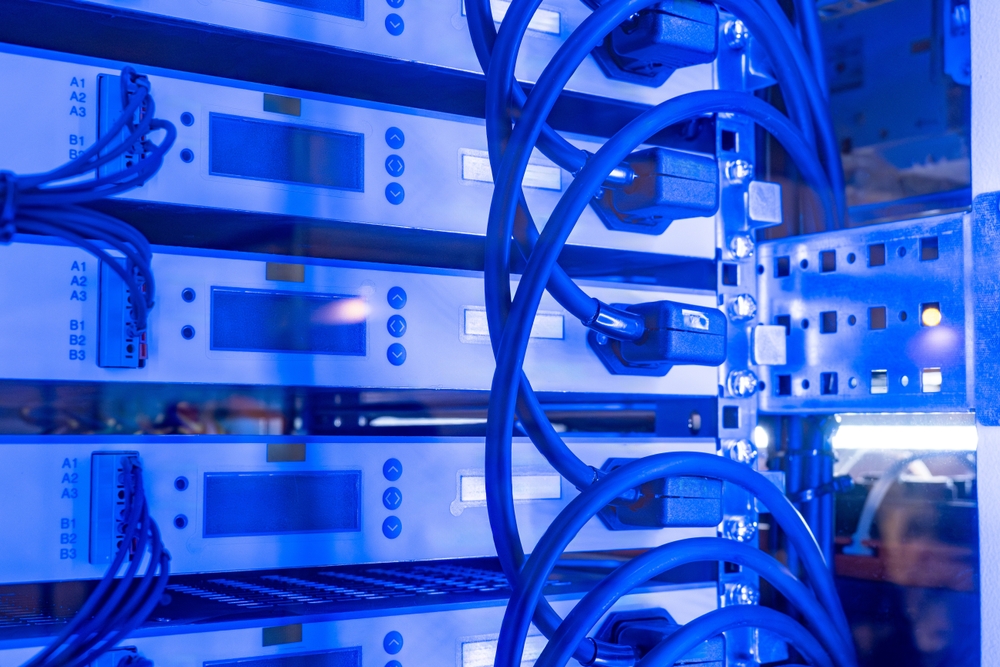
The modern technology sector runs on electricity. From sprawling data centers humming with servers to sleek corporate campuses packed with high-performance workstations, the demand for reliable, scalable, and efficient electricity services has never been greater. As artificial intelligence, cloud computing, and edge processing continue to reshape the industry, the pressure on electrical infrastructure is intensifying at a pace that many organizations are struggling to keep up with.
Future-proofing electrical infrastructure is no longer a facilities concern tucked away in the operations department. It is a strategic priority that directly impacts uptime, growth capacity, regulatory compliance, and long-term profitability. Technology companies that invest wisely in their power systems today will be far better positioned to adapt to tomorrow’s demands without costly overhauls or dangerous service disruptions.
The Growing Power Demands of the Tech Industry
The numbers are staggering. AI training workloads, high-density server clusters, and advanced GPU arrays consume electricity at rates that would have seemed extraordinary just a decade ago. A single AI training run for a large language model can consume as much electricity as hundreds of homes use in an entire year. Meanwhile, hyperscale data centers are being built with power capacities measured in hundreds of megawatts.
Beyond data centers, technology company offices and research facilities are also evolving. Charging infrastructure for electric vehicles, advanced building automation systems, and high-performance laboratory equipment are all adding new layers of demand to existing electrical grids. Electricity services providers are increasingly being called upon to deliver not just raw power, but smart, adaptive solutions that can handle variable loads and sudden spikes without compromising reliability.
Understanding this growth trajectory is the first step in developing a future-proof strategy. Companies that map out their power consumption today and project realistic growth curves over the next five to ten years will be far ahead of competitors who simply react to capacity issues as they arise.
Conducting a Comprehensive Electrical Infrastructure Audit
Before any meaningful upgrades or expansions can take place, technology companies need a clear picture of their current electrical infrastructure. A comprehensive audit examines everything from incoming utility service capacity to internal distribution panels, backup power systems, grounding configurations, and energy monitoring capabilities.
During an audit, qualified electrical engineers will assess the condition and capacity of transformers, switchgear, uninterruptible power supplies (UPS), and cabling throughout the facility. They will identify bottlenecks, aging components, and areas where redundancy is lacking. They will also evaluate whether existing electricity services agreements with utility providers are aligned with current and projected consumption needs.
One area that often surfaces during audits is the condition of the main service entrance. Many technology companies, particularly those occupying older commercial buildings, are operating on infrastructure that was never designed for the power densities required by modern computing equipment. Upgrading the main service entrance is frequently one of the most impactful investments a company can make, as it removes a fundamental constraint on everything downstream.
Audits should also examine power quality. Voltage fluctuations, harmonic distortion, and power factor issues can silently degrade equipment performance and lifespan. Advanced power quality monitoring can uncover these hidden problems and inform targeted corrective measures that protect valuable technology assets.
Designing for Scalability and Redundancy
Once a company understands where it stands today, the next priority is designing electrical infrastructure with scalability and redundancy baked in from the ground up. This requires a shift in thinking away from building for current needs and toward building for future flexibility.
Modular electrical design is one of the most effective strategies available. By installing infrastructure in modular segments, companies can add capacity incrementally as demand grows, rather than committing to a massive capital expenditure all at once. This approach also reduces the risk of over-building, which can tie up capital in unused capacity for years.
Redundancy is equally critical. Technology companies cannot afford downtime, and electricity services disruptions are one of the leading causes of unplanned outages. A well-designed electrical infrastructure incorporates multiple layers of redundancy including dual utility feeds, automatic transfer switches, diesel or natural gas generators, and battery-based UPS systems. The specific configuration depends on the criticality of the operations being supported, but the principle is consistent: eliminate single points of failure wherever possible.
Proper load balancing across circuits and distribution systems is another important design consideration. Uneven loading not only creates inefficiency but also increases the risk of localized overloads that can damage equipment or trigger protective shutdowns. Working with experienced electrical engineers to design balanced, well-documented distribution systems pays dividends in both reliability and operational simplicity.
Integrating Renewable Energy and Smart Power Management
The future of electrical infrastructure for technology companies is not just about having enough power. It is about having the right kind of power, delivered in the most efficient and sustainable way possible. Renewable energy integration and smart power management are rapidly becoming standard components of any forward-looking electrical strategy.
Many technology companies have committed to ambitious sustainability goals, including 100 percent renewable electricity targets. Achieving these goals requires a multi-pronged approach that may include on-site solar generation, power purchase agreements (PPAs) with renewable electricity services providers, and participation in utility green energy programs. On-site generation can also provide resilience benefits by reducing dependence on the grid during outages or periods of high demand.
Smart power management systems take efficiency and control to another level. Advanced energy management platforms use real-time data to monitor consumption across every circuit and system in a facility, enabling operators to identify waste, optimize load scheduling, and respond dynamically to changing conditions. These platforms can also integrate with utility demand response programs, which allow companies to reduce consumption during peak grid periods in exchange for financial incentives.
Battery energy storage systems (BESS) are emerging as another powerful tool. By storing excess renewable energy or off-peak grid electricity, BESS installations can provide backup power, reduce peak demand charges, and support grid stability. As battery technology continues to improve and costs decline, these systems are becoming increasingly viable for technology companies of all sizes.
Power factor correction is a less glamorous but equally important component of smart power management. Poor power factor increases the amount of current flowing through electrical systems without doing useful work, which raises electricity costs and increases wear on equipment. Installing power factor correction capacitors or active correction systems can yield meaningful savings on electricity services bills while also freeing up capacity in existing infrastructure.
Building Long-Term Partnerships with Electricity Services Providers
No technology company can future-proof its electrical infrastructure in isolation. The relationship with electricity services providers, including utilities, independent power suppliers, and specialized electrical contractors, is a critical component of any long-term strategy.
Proactive engagement with utility providers can open doors to resources and programs that many companies never take advantage of. Utilities often offer incentive programs for energy efficiency upgrades, demand response participation, and distributed generation installations. They may also have dedicated account management teams for large commercial and industrial customers who can provide advance notice of grid upgrade projects, rate changes, and new service offerings.
Specialized electrical contractors with deep experience in the technology sector bring invaluable expertise to infrastructure planning and execution. These partners understand the unique requirements of high-density computing environments, mission-critical operations, and complex multi-tenant facilities. Choosing partners who stay current with evolving codes, standards, and technologies ensures that infrastructure investments are compliant, safe, and aligned with best practices.
Long-term service agreements with qualified electrical contractors also provide a measure of predictability and priority access during periods of high demand. When a critical system fails at 2 a.m., having an established relationship with a trusted service provider can mean the difference between a brief interruption and a prolonged outage.
Conclusion
Future-proofing electrical infrastructure is one of the most important investments a technology company can make. By understanding growing power demands, conducting thorough audits, designing for scalability and redundancy, integrating renewable energy and smart systems, and building strong partnerships with electricity services providers, technology companies can build a foundation that supports innovation and growth for years to come.
Need an Electrical Contractor in Raleigh, NC?
Box Electric Company is a commercial electric company located in Raleigh, North Carolina since 1995. For over 24 years, we have been dedicated to providing a wide range of commercial and industrial electrical services, from new construction on electric systems to upgrades and renovations; to lighting designs, repairs and maintenance; and much more. Our experience spans across industrial, municipal, commercial, and small business verticals, with niche experience in medical and dental offices and technology companies. If your business requires electrical services or upgrades, you can count on our decades of experience to work for you. Call us today or visit our website for more information!