

Running a commercial property comes with a long list of responsibilities, and electrical maintenance is one that owners and facility managers often push to the back burner. It is easy to assume that if the lights are on and the equipment is running, everything must be fine. But that kind of thinking can lead to costly surprises, from sudden outages to fire hazards, that could have been avoided with a consistent maintenance schedule. P
revention is not just a smart strategy; it is a financial one.
The True Cost of Neglecting Electrical Maintenance
When electrical systems are left unchecked, small problems grow into expensive ones. A loose connection today can become a tripped breaker next month, and a failing circuit panel a year from now. Each of these escalations carries a price tag, and none of them are cheap.
Emergency electrical repairs for commercial properties typically cost significantly more than scheduled maintenance visits. When something breaks down unexpectedly, you are paying premium rates for after-hours labor, rush parts sourcing, and the downtime that follows. If a failure shuts down your operations for even a single day, the revenue loss alone can dwarf what you would have spent on regular inspections.
Beyond repair costs, there is also the question of liability. Faulty wiring and overloaded circuits are leading causes of commercial fires. If an electrical issue leads to property damage or injury, the financial consequences can be severe, including insurance claims, legal fees, and potential loss of tenants or customers. Electrical maintenance done consistently and professionally is one of the most effective ways to reduce that risk.
What a Commercial Electrical Maintenance Program Includes
A proper electrical maintenance program goes far beyond replacing burned-out bulbs. It involves a systematic approach to inspecting, testing, and servicing all the electrical components that keep a commercial building running safely and efficiently.
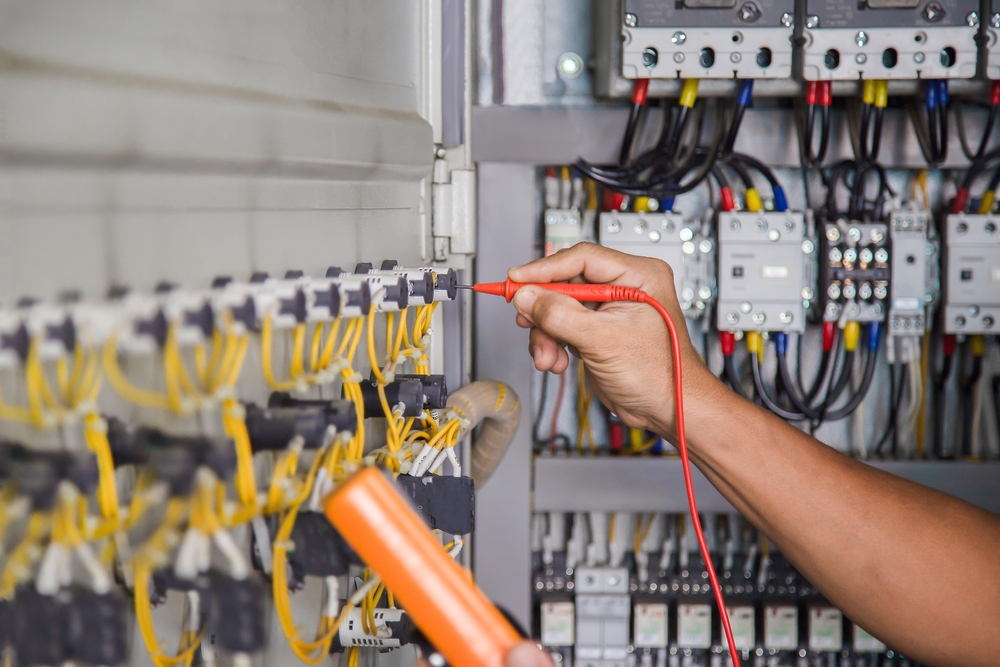
Routine inspections typically include checking circuit breakers and panels for signs of wear, overheating, or corrosion. Electricians will also inspect wiring throughout the facility, looking for insulation damage, improper connections, or areas where the load has changed due to new equipment. Grounding systems are tested to make sure they are still performing correctly, and any outdoor electrical components are reviewed for weather-related wear.
Thermal imaging is another valuable tool used during electrical maintenance. By scanning panels and connection points with an infrared camera, technicians can detect hot spots that indicate a failing component before it causes a failure or a fire. This kind of proactive detection is only possible with scheduled service and proper equipment.
Lighting systems, emergency exit lighting, and backup generators also fall under the umbrella of electrical maintenance. Each of these systems has its own inspection and testing requirements, and keeping them in good working order is not only good practice but often required by local building codes and fire safety regulations.
How Electrical Maintenance Reduces Operating Costs
One of the strongest arguments for investing in electrical maintenance is the direct impact it has on your bottom line. Energy efficiency is a major area where well-maintained electrical systems outperform neglected ones.
Aging or faulty equipment draws more power than it should. Connections that have corroded or loosened over time create resistance, which wastes energy and generates heat. When your electrical system is not running cleanly, you are paying for electricity that is not doing any useful work. Regular electrical maintenance ensures that connections are tight, components are functioning within spec, and your system is not wasting energy unnecessarily.
Lighting upgrades and control systems are often identified during maintenance visits as opportunities to cut energy consumption. A qualified electrician can spot fixtures that are outdated, recommend LED retrofits, or identify zones where occupancy sensors could reduce electricity usage. These improvements pay for themselves over time, and they are often discovered precisely because a maintenance program created the opportunity to take a closer look at the building’s systems.
Equipment lifespan is another cost factor tied directly to electrical maintenance. Motors, HVAC systems, and other high-draw equipment last longer when the electrical supply feeding them is clean and stable. Voltage fluctuations, surges, and poor grounding can shorten the life of expensive equipment dramatically. Keeping the electrical system in good shape is an indirect way of protecting every piece of machinery and technology connected to it.
Compliance, Safety, and Tenant Satisfaction
For property owners who lease commercial space, electrical maintenance plays an important role in meeting legal obligations and keeping tenants happy. Most commercial leases include provisions related to maintaining the property in safe and functional condition, and the electrical system is a core part of that obligation.
Local building codes, fire codes, and occupational safety standards all have specific requirements related to electrical systems in commercial properties. Staying current with inspections and maintenance helps ensure your property remains compliant, which protects you from fines, failed inspections, and the headache of bringing a neglected system up to code on a deadline.
Tenants also notice when a building is well maintained. Frequent electrical issues, such as tripping breakers, flickering lights, or unexplained outages, create frustration and undermine confidence in the property. In competitive rental markets, tenants have options, and a building with a reputation for poor maintenance will struggle to retain them. A consistent electrical maintenance program signals professionalism and care, which contributes to tenant retention and the overall reputation of the property.
Insurance providers also look favorably on properties with documented maintenance programs. Some insurers offer reduced premiums for buildings that can demonstrate regular inspections and servicing, which is another financial incentive to stay on top of electrical maintenance. In the event of a claim, documented maintenance records also provide important evidence that the property was managed responsibly.
Building a Proactive Electrical Maintenance Strategy
Shifting from a reactive to a proactive mindset is the key to getting the most out of your electrical maintenance investment. Rather than waiting for something to break, a proactive strategy puts regular inspections on the calendar and treats electrical systems with the same seriousness as any other critical building infrastructure.
The first step is working with a licensed commercial electrician to conduct a full assessment of your current electrical system. This baseline inspection will identify any existing issues that need immediate attention and provide a roadmap for the ongoing maintenance schedule. From there, you can establish a regular cadence of inspections, testing, and servicing based on the age and complexity of your system.
Documentation is a critical part of any proactive strategy. Keeping detailed records of every inspection, repair, and upgrade makes it easier to track trends, plan future work, and demonstrate compliance to regulators and insurers. Good records also make it easier to hand off maintenance responsibilities if your team or service provider changes.
Finally, do not overlook staff training as part of your electrical maintenance strategy. Building staff who know how to recognize warning signs, such as burning smells, discolored outlets, or frequently tripping breakers, can help catch problems early. Creating a simple reporting system so that employees can flag electrical concerns ensures that potential issues get in front of a qualified electrician before they become serious problems.
Conclusion
Electrical maintenance is not an area where commercial property owners can afford to cut corners. The cost of prevention is always lower than the cost of emergency repairs, code violations, or the liability that comes with an electrical failure. By building a consistent, well-documented maintenance program, property owners protect their investment, reduce operating costs, and provide a safer environment for everyone who uses the building.
Need an Electrical Contractor in Raleigh, NC?
Box Electric Company is a commercial electric company located in Raleigh, North Carolina since 1995. For over 24 years, we have been dedicated to providing a wide range of commercial and industrial electrical services, from new construction on electric systems to upgrades and renovations; to lighting designs, repairs and maintenance; and much more. Our experience spans across industrial, municipal, commercial, and small business verticals, with niche experience in medical and dental offices and technology companies. If your business requires electrical services or upgrades, you can count on our decades of experience to work for you. Call us today or visit our website for more information!